Aviation security remains one of the most dynamic challenges facing the modern world, requiring constant vigilance and adaptation to emerging threats. As airports and airlines connect every corner of the globe, they unfortunately become potential targets for those wishing to cause disruption or harm.
The industry has moved far beyond simple metal detectors; today, managing global threats demands a sophisticated, multi-layered approach that combines intelligence sharing, rigorous staff vetting, and advanced technology. This article explores how the sector balances operational efficiency with the critical need to protect passengers and infrastructure.
Baggage handling areas
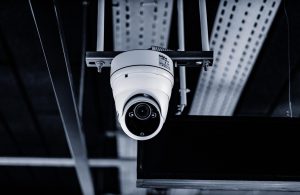
At the heart of any airport's defence strategy lies comprehensive surveillance, primarily delivered through closed circuit TV systems. These networks of cameras act as the eyes of security personnel, allowing them to monitor vast terminals, baggage handling areas, and perimeter fences simultaneously.
Modern systems are increasingly intelligent, utilising facial recognition and behaviour analysis software to flag suspicious activity before an incident occurs. This real-time monitoring capability is essential for identifying potential threats early, allowing security teams to intervene rapidly and effectively.
Monitor retail areas
Commercial CCTV plays a specific and vital role in the day-to-day monitoring of airport operations. These high-grade systems are designed to withstand the rigours of 24/7 usage and provide crystal-clear imagery essential for forensic analysis.
Beyond just security, these cameras help manage passenger flow, monitor retail areas, and ensure health and safety compliance across the airport estate. By integrating these feeds into a centralised command centre, airport authorities can maintain a holistic view of the entire facility, ensuring that both safety and operational standards are upheld to the highest degree.
Recording reconnaissance activity
While airports are fortified environments, the security perimeter often extends beyond the airfield boundary into the surrounding community. Interestingly, domestic CCTV systems installed in nearby residential areas and businesses can contribute significantly to this broader security ecosystem. These private cameras can capture vital footage of approach roads and flight paths, potentially recording reconnaissance activity or the movement of hostile actors before they reach the airport itself.
Collaboration between local law enforcement and community members can turn these scattered feeds into a valuable supplementary intelligence network.
Constant monitoring for network anomalies
Cybersecurity has also emerged as a critical frontier in managing global threats, as modern aircraft and airport infrastructure become increasingly digitised. The threat is no longer just physical; hackers could potentially target air traffic control systems, flight navigation software, or passenger data databases.
Protecting these digital assets requires the same level of rigour as physical security, with robust firewalls, regular penetration testing, and constant monitoring for network anomalies. The industry is learning that a breach in the digital realm can have catastrophic physical consequences.
Intelligence sharing between nations
International cooperation is perhaps the most crucial element in the fight against global aviation threats. Security protocols must be harmonised across borders to prevent weak links that could be exploited by transnational terrorist groups.
Intelligence sharing between nations allows security services to track individuals of concern and anticipate plots before they come to fruition. When countries work together to enforce stringent standards—from cargo screening to passenger vetting—the entire global aviation network becomes stronger and more resilient against attack.
International collaboration and community engagement
The goal of managing global threats is to ensure that air travel remains the safest form of transport. By combining cutting-edge technology like advanced surveillance with international collaboration and community engagement, the industry continues to stay one step ahead of those who seek to harm it.
As threats evolve, so too must the countermeasures, ensuring that passengers can board their flights with confidence. The future of aviation security lies in this adaptability, securing the skies through innovation and unwavering vigilance.